Embroiderycharm Regular: A Seasonal Stitch Review
As I curate my upcoming seasonal collection, selecting the right typography is just as critical as choosing the perfect holiday graphics. When evaluating Embroiderycharm Regular for this year’s lineup of festive goods, my primary focus is on how well it translates from screen to fabric. This decorative font promises to encapsulate the cozy charm of good old-fashioned stitchwork, but as an experienced embroidery designer, I need to verify if it truly delivers that nostalgic warmth on a finished product. After reviewing the digitizing and testing samples, I can confidently say this typeface is a standout contender for holiday embroidery projects aimed at evoking emotion and tradition.
Capturing the Cozy Holiday Mood
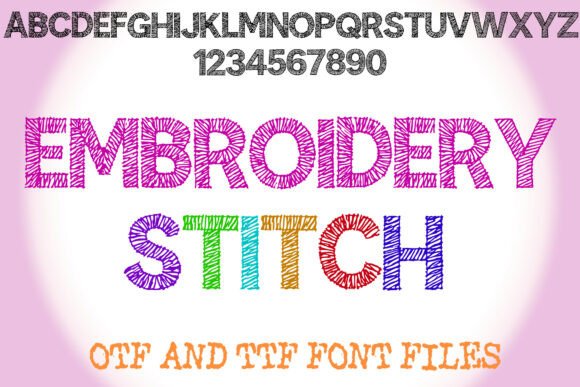
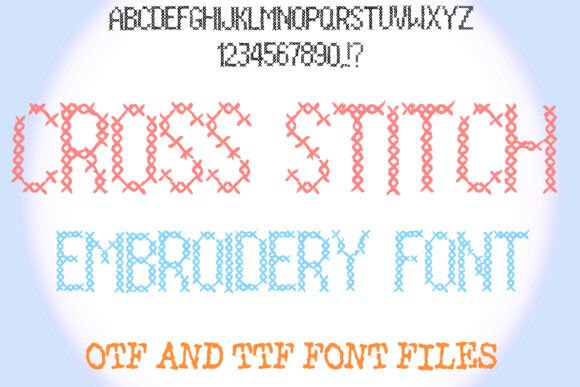
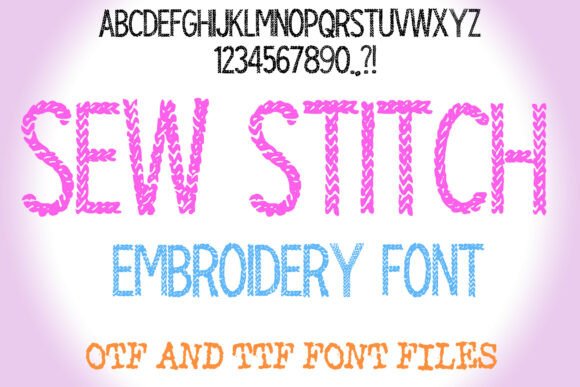
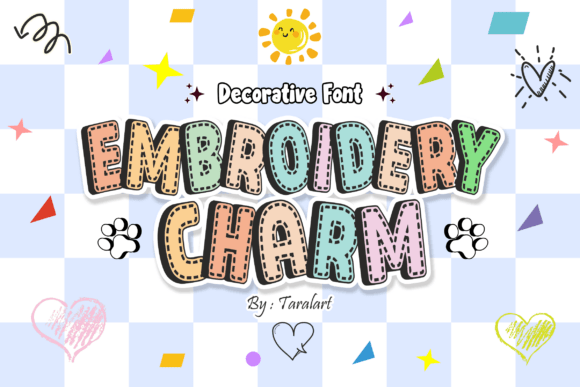
The first impression of Embroiderycharm Regular is undeniably warm. In the world of machine embroidery design, we often see fonts that are either too rigid or overly chaotic. This font strikes a rare balance. It feels handcrafted and intentional, mimicking the aesthetic of vintage cross-stitch or redwork without sacrificing legibility. For Etsy sellers and small shop owners, this emotional tone is vital. Shoppers aren't just buying a sweatshirt or a towel; they are buying a feeling of home, hearth, and handmade love.
When planning a seasonal drop, visual recognition is key. This font carries a distinct personality that pairs beautifully with rustic, farmhouse, or traditional holiday themes. It does not feel modern or industrial; instead, it whispers of grandmother’s kitchen and childhood winters. If your brand identity revolves around nostalgia, comfort, or premium handmade gifts, Embroiderycharm Regular aligns perfectly with those values. It elevates simple text into a decorative element that stands on its own, making it ideal for monograms, family names on ornaments, or sentimental quotes on pillow covers.
Best Applications for Seasonal Products
In real-world selling situations, versatility drives profit. I have identified several high-performing applications where this specific embroidery file shines during the holiday rush:
- Sweatshirt Embroidery: The weight of the characters holds up exceptionally well on fleece and French terry. It provides enough coverage to be visible against textured fabrics without becoming bulletproof or stiff.
- Kitchen Towel Embroidery: This is perhaps the strongest use case. The "stitchwork" aesthetic looks native to tea towels and aprons, reinforcing the culinary and domestic theme of holiday baking and hosting.
- Tote Bag Design: For gift bundles or market bags, the font offers excellent readability from a distance while maintaining a soft, approachable vibe that encourages gifting.
- Personalized Gifts: Whether stitching names onto stockings or custom messages onto baby blankets, the adorable nature of the letterform adds inherent value. Customers perceive personalized items stitched in this style as more thoughtful than those using standard block letters.
- Printable Mockups: From a marketing perspective, the font photographs beautifully. Because the edges mimic thread texture, digital mockups look more realistic, helping bridge the gap between online listing and physical expectation.
Technical Considerations and Fabric Pairings
While Embroiderycharm Regular is visually stunning, professional results require respecting the technical limitations of decorative fonts. As you plan your production schedule, keep these practical constraints in mind to avoid registration issues or customer returns.
Navigating Hoop Sizes and Small Details
This font thrives at medium to large scales. I advise caution when attempting tiny lettering for tags or collar labels. The intricate details that give it its charm can become lost or cause thread breaks if scaled down excessively. Always confirm the minimum recommended size within your embroidery software before committing to a run. For curved caps or beanies, test the distortion carefully; the unique character shapes may require manual adjustment to prevent gaps or overlapping stitches on curved surfaces.
Fabric Texture and Stabilizer Choices
The interaction between thread colors and fabric texture defines the final quality. On thick towels or plush fabrics, use a water-soluble topping to prevent the stitches from sinking into the pile. Without this step, the delicate "stitchwork" illusion will disappear into the nap of the fabric. Conversely, on stretchy garments like holiday pajamas or performance wear, ensure you are using adequate cut-away stabilizer. Decorative fonts often have varying stitch densities, and insufficient stabilization can lead to puckering that ruins the cozy aesthetic.
Thread Color Strategy
To maximize seasonal appeal, move beyond standard red and green. Test variegated threads to enhance the handmade look, or use matte cotton threads to reduce sheen and increase the vintage feel. Metallic threads can add sparkle for holiday items, but they also increase friction. If using metallics with Embroiderycharm Regular, slow your machine speed and use a larger needle eye to prevent shredding, as the decorative nature of the font may involve complex stitch paths.
Enhancing Buyer Emotion and Product Value
During the competitive holiday shopping period, trust and engagement are currency. Using a cohesive typeface like Embroiderycharm Regular across your collection creates brand consistency. When a customer sees a matching set—an apron, a mitt, and a table runner—all utilizing the same distinctive font, the perceived value of the bundle increases significantly.
Furthermore, this font supports the narrative of the "handmade gift." In an era of mass production, buyers seek authenticity. The irregularity and charm of this typeface signal human involvement and care. For craft fair displays, having physical samples stitched in this font allows customers to touch the texture, confirming that the digital promise matches the tactile reality. This sensory confirmation is often the tipping point for sales at markets and pop-up shops.
Designer Notes for Commercial Success
Before adding Embroiderycharm Regular to your commercial embroidery lineup, complete this pre-production checklist:
- Verify Licensing: Always confirm the commercial licensing terms included with your digital embroidery file. Ensure you are permitted to sell finished products featuring this font, especially for high-volume holiday items.
- Run a Stitch-Out Test: Never skip testing on the actual fabric you intend to sell. Check stitch density and pull compensation specifically for your machine and thread combination.
- Create Realistic Mockups: Use photos of actual stitch-outs rather than flat digital renders whenever possible. Show the texture and dimension to set accurate customer expectations.
- Plan Color Palettes Early: Source your thread colors before the rush begins. Specialty threads often go out of stock during peak season. Secure your supply chain now.
- Review Washability: If selling items meant for repeated washing (like linens or children's apparel), perform a wash test. Decorative fonts can sometimes unravel if the satin columns are too narrow or the underlay is insufficient.
Embroiderycharm Regular is more than just a font; it is a strategic tool for connecting with holiday shoppers on an emotional level. By understanding its strengths in evoking nostalgia and respecting its technical requirements on various substrates, you can create a seasonal collection that feels both professionally executed and deeply personal. Whether you are decorating sweatshirts for a family reunion or stocking an Etsy shop with premium holiday decor, this typeface offers the perfect blend of whimsy and warmth that defines successful seasonal merchandise.