Lobster Regular Embroidery Font - Small Review
As an Etsy seller and small business owner, selecting the right typography is often the difference between a product that scrolls past unnoticed and one that converts into a sale. When browsing Creative Fabrica embroidery assets for my upcoming seasonal collection, the Lobster Regular Embroidery Font - Small immediately caught my attention. This specific typeface carries a reputation for retro-inspired charm and smooth connectivity, but seeing it marketed specifically as a "Small" variant suggests unique utility for detailed work. Before adding this machine embroidery design to my commercial library, I need to evaluate its practical application for tote bag designs, sweatshirt embroidery, and personalized gifts. Here is my assessment of how this font performs in a real-world production environment.
Visual Personality and Market Positioning
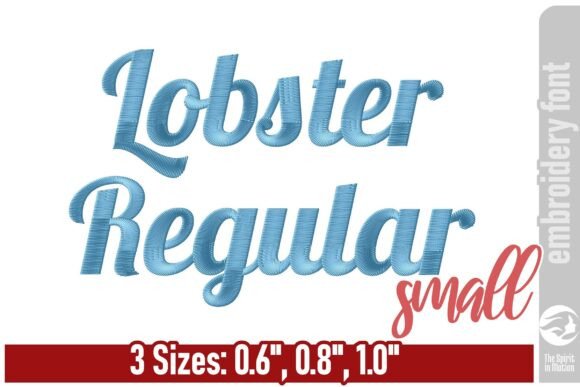
The Lobster Regular Embroidery Font - Small strikes a distinct balance between vintage nostalgia and modern legibility. In the handmade product market, buyers are frequently drawn to aesthetics that feel curated rather than generic. This font delivers a bold elegance that feels premium without being stuffy. The connected letters and smooth curves imply a high level of craftsmanship, which is essential when pricing custom apparel or boutique merchandise above mass-produced alternatives.
For my shop, this font does not read as strictly formal, nor is it overly childish. It sits comfortably in the "elevated casual" category. This makes it exceptionally versatile for kitchen towel embroidery where you want a farmhouse chic look, or for baby embroidery items that need to appear soft yet sophisticated. The retro vibe also aligns perfectly with current trends in sustainable fashion and thrift-flip culture, making it a strong candidate for upcycled denim jackets or canvas tote bags sold at craft fairs.
Ideal Product Applications for Small-Scale Stitching
The designation of "Small" in the title is the most critical factor for product planning. Standard script fonts often lose integrity when scaled down, resulting in thread breaks or illegible text. If this digitization holds true to its name, it opens up several high-margin niches:
- Personalized Cuffs and Sleeves: Sweatshirt embroidery featuring names on wrist cuffs requires tight spacing and clean edges. This font appears suited for these confined areas where larger scripts would fail.
- Baby Bibs and Onesies: Space is limited on infant wear. A smaller, dense script allows for longer names or double-barreled surnames without overwhelming the garment.
- Embroidered Patches: Creating custom patches for hats or backpacks demands high readability at thumbnail size. The bold nature of Lobster helps maintain contrast even when the physical patch is only two inches wide.
- Kitchen Linens: For tea towels and aprons, this font offers enough weight to stand out against textured linen or waffle weave fabrics without requiring excessive stabilizer layers that make the fabric stiff.
Enhancing Buyer Perception and Giftable Value
In the digital marketplace, photography is everything. A major advantage of using a well-digitized script like Lobster Regular Embroidery Font - Small is how it photographs. Thin, spindly fonts often disappear in listing photos or look jagged when compressed for mobile viewing. The inherent boldness of this typeface ensures that the personalized gift aspect remains visible even in social media previews and Etsy search results.
Furthermore, the aesthetic quality directly influences perceived value. When a customer orders a custom tote bag design, they are paying for the personalization. If the stitching looks amateurish or the letters are disconnected, the item feels cheap. Conversely, smooth curves and consistent stitch density signal professional commercial embroidery standards. This font’s retro charm also triggers an emotional response, making items feel more nostalgic and giftable. For sellers creating printable mockups to test new product lines before stitching, this font’s popularity means customers likely already associate it with quality handmade goods.
Practical Seller Notes: Testing Before Listing
While the visual appeal is evident, experienced craft business owners know that screen previews can be deceiving. Before listing any finished product using this digital embroidery file, rigorous testing is mandatory. Because this is a script font with connected letters, the pathing and jump stitches are critical variables.
I recommend stitching out a full alphabet test on the exact fabric you intend to sell. If you are planning kitchen towel embroidery, test on flour sack cotton. If you are doing sweatshirt embroidery, test on fleece. Check the stitch density carefully; if it is too dense for a small size, it may cause puckering or needle damage on lightweight fabrics. You may need to adjust your stabilizer choice or use a water-soluble topping to prevent the stitches from sinking into textured materials.
Additionally, verify the hoop size requirements listed on the Creative Fabrica product page. Even though it is labeled "Small," ensure it fits within your smallest hoops for cuff or pocket placement. Always confirm the licensing terms directly on the product page before selling. While many Creative Fabrica embroidery designs allow for commercial use of finished products, some restrict the number of units or prohibit certain applications. Clarifying this upfront protects your business.
Streamlining Production and Custom Orders
Efficiency drives profit in small batch apparel and handmade home decor. A reliable embroidery file reduces production time by minimizing thread trims and re-hooping. Script fonts are notoriously tricky because of the connections; if the digitizer has optimized the pathing, this font could significantly speed up fulfillment times for personalized gifts.
When offering custom apparel, having a go-to font that works across multiple substrates simplifies inventory management. Instead of maintaining separate files for caps, shirts, and bags, Lobster Regular Embroidery Font - Small could serve as a unified brand element across diverse product categories. This consistency helps build brand recognition. Customers who bought a baby blanket with this font last year may return for a matching toddler sweatshirt because the typography feels cohesive.
For those utilizing printable mockups to validate demand, pair this font with neutral backgrounds to let the retro curves shine. However, never rely solely on mockups for script fonts. The interaction between thread and fabric creates texture that digital images cannot replicate. Photographing a real sample stitch-out provides authentic content for your listings and reassures buyers of the tactile quality they will receive.
Evaluating Thread Color Compatibility
The bold elegance of this font relies heavily on thread color selection. High-contrast combinations, such as cream thread on navy sweatshirts or gold metallic on dark green velvet, maximize the retro charm. However, because the letters are connected and potentially dense, variegated threads might create visual noise that hinders readability at small sizes. Solid, matte rayon or polyester threads typically showcase the smooth curves best.
Test various thread colors against your most popular fabric blanks. Sometimes a font that looks stunning in white on black loses its definition in pastel-on-pastel combinations. Documenting which colorways work best with Lobster Regular Embroidery Font - Small will save time during future production runs and reduce waste from failed stitch-outs.
Ultimately, adding this machine embroidery design to your toolkit should be a strategic decision based on both aesthetics and production reality. Its potential for elevating Etsy listings and creating memorable personalized gifts is significant, provided the technical execution matches the visual promise. By verifying specs on Creative Fabrica and conducting thorough fabric tests, you can confidently integrate this charming typeface into your commercial embroidery offerings.