Soft Cord Alphabet -X: A Craft Fair Seller’s Review
First Impressions: Soft Texture Meets Commercial Viability
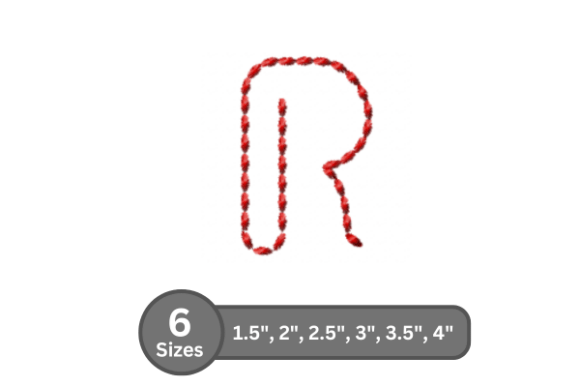
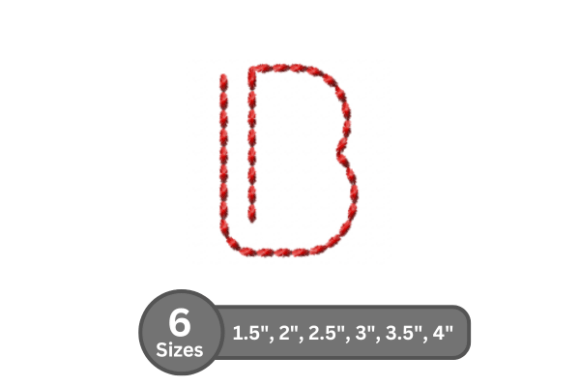
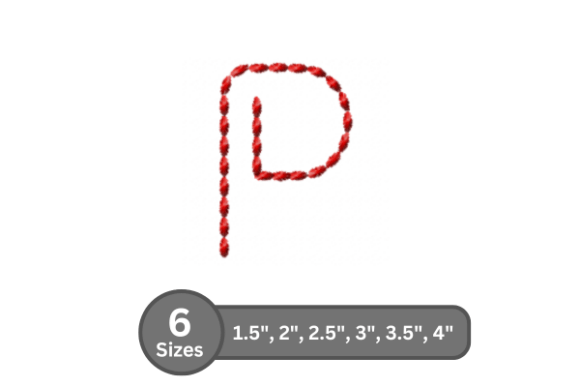
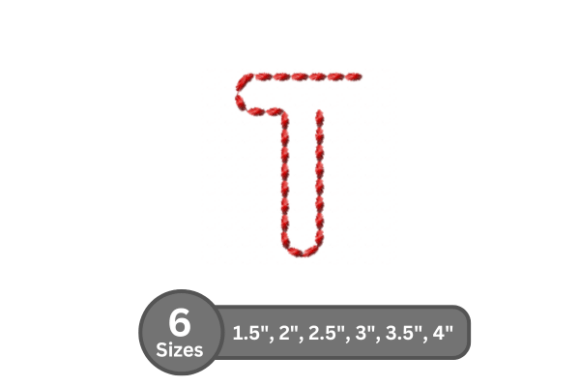
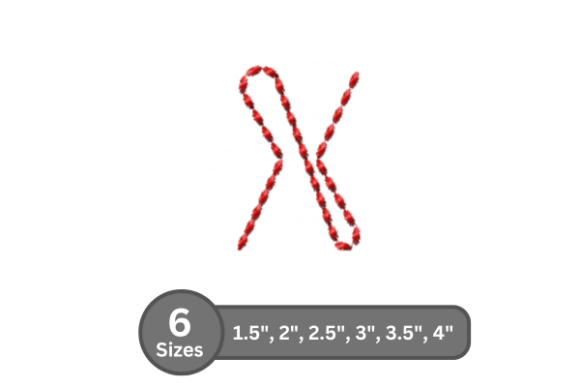
As an embroidery designer preparing for a weekend craft fair, my primary concern is always the intersection of aesthetic appeal and production efficiency. When evaluating the Soft Cord Alphabet -X, the immediate impression is one of approachable elegance. Unlike harsh, blocky fonts that can feel industrial, or overly ornate scripts that risk losing clarity on textured fabrics, this design strikes a balance. It reads as soft and premium, evoking a boutique feel that is essential for attracting customers at handmade markets. The "cord" effect implies a rounded, dimensional quality that mimics hand-stitching, which significantly elevates the perceived value of any handmade product.
For Etsy sellers and boutique makers, this visual softness is a strategic asset. In a crowded booth display filled with bright colors and busy patterns, a font that offers a gentle, tactile appearance draws the eye without overwhelming the base material. It suggests comfort and care, making it particularly effective for personalization services where the customer wants their name or monogram to feel integrated into the item rather than stamped onto it. From a digitizing perspective, the promise of smooth stitching indicates that the embroidery file has been optimized to reduce thread breaks and puckering, two critical factors when running batch production for market inventory.
Best-Selling Applications for Market Booths
Determining where to apply Soft Cord Alphabet -X is just as important as the design itself. Based on its fill stitch construction and corded aesthetic, this machine embroidery design excels in specific categories that drive sales at craft fairs.
- Tote Bag Design: Canvas tote bags are a staple craft fair product. The soft cord texture contrasts beautifully against natural cotton canvas or linen. Because the font is designed for smooth stitching, it lays flat enough to remain functional but retains enough dimension to look high-end. Personalized market bags featuring this alphabet serve as walking advertisements for your booth.
- Tea Towel Embroidery: Kitchen linens require a font that withstands washing while maintaining legibility. The fill stitch nature of this design provides better coverage than simple running stitches, ensuring the monogram remains visible on terry cloth or flour sack towels. This makes it ideal for creating giftable sets that sell quickly during holiday markets.
- Apron Embroidery: For culinary-themed vendors or farmers' market sellers, aprons personalized with this font convey a professional yet homemade charm. The softness of the lettering complements the utilitarian nature of the apron, making it a perfect small shop product for chefs and bakers.
- Pillow Covers and Nursery Items: The "soft" descriptor makes this alphabet a top contender for baby gifts and home decor. On minky, velvet, or cotton sateen, the corded finish adds a luxurious touch that justifies a higher price point compared to standard satin stitch monograms.
Production Efficiency and Batch Manufacturing
When preparing for a market, time is money. A beautiful digital embroidery file is useless if it takes three hours to stitch out or requires constant supervision. Soft Cord Alphabet -X appears digitized with production in mind. Fill stitches, when properly mapped, can cover larger areas faster than dense satin stitches while reducing pull distortion. This is vital when hooping multiple items or working with unstable fabrics.
For commercial embroidery workflows, consistency is key. This font’s design structure likely allows for predictable run times, enabling accurate pricing for custom orders at the booth. Furthermore, because the style is versatile, you can create a cohesive brand identity across disparate products. Using the same alphabet on pouches, caps, and tags creates a unified visual language that strengthens brand recognition. When photographing these items for online listings, the clean lines and consistent texture of the font ensure that printable mockups and product photos look sharp and professional, reducing the need for extensive post-production editing.
Critical Technical Considerations and Fabric Pairings
Despite its versatility, no embroidery file is universal. As a designer, I must highlight specific constraints to prevent wasted materials and unsellable seconds. The "cord" effect relies on precise stitch placement; therefore, fabric choice dictates success.
Navigating Texture and Stability
On highly textured surfaces like terry cloth or fleece, the soft details of this alphabet may get lost. While fill stitches generally perform better than satin on texture, you must use adequate stabilizer to prevent the design from sinking. Always test on a scrap of the exact fabric texture you intend to sell. If the cord definition disappears, switch to a heavier cutaway stabilizer or consider a different application.
Sizing and Legibility Limits
Fill stitch fonts have a minimum size threshold. Reducing Soft Cord Alphabet -X below its intended dimensions can cause the internal fill pattern to collapse, resulting in muddy, illegible letters. Before committing to small tags or pocket logos, verify the minimum height specifications in your software. Conversely, scaling up too large may reveal gaps in the fill pattern if the stitch density was not adjusted for expansion. Stick to the recommended size range for optimal results.
Curved Surfaces and Caps
While excellent for flat goods, applying this font to curved cap fronts requires caution. The horizontal flow of fill stitches can distort on a curved brim unless the design includes specific compensation points. Always hoop caps with proper backing and test the centering. If the cord effect looks warped on the curve, reserve this alphabet for flat design assets like patches or bags instead.
Designer’s Checklist for Market Success
To maximize the selling potential of Soft Cord Alphabet -X, follow this practical pre-production protocol:
- Verify Licensing: Before selling any finished product, confirm the commercial license terms included with the file. Ensure you are permitted to sell physical embroidered goods at markets and online.
- Stitch Out Samples: Never rely solely on screen previews. Stitch a full alphabet test on your primary selling fabric (e.g., canvas for totes, flour sack for towels). Inspect the registration between the cord outline and the fill.
- Thread Contrast Testing: Soft cord designs often rely on shadow and light to show dimension. Test thread colors against various fabric backgrounds. Low-contrast combinations (e.g., white thread on cream fabric) may hide the cord detail, whereas high-contrast pairings make the texture pop.
- Hoop Size Confirmation: Check the maximum dimensions of the capital 'X' and other wide characters. Ensure they fit comfortably within your hoop size with adequate margin for stabilization. Overcrowding the hoop leads to tension issues.
- Create Physical Mockups: Photograph real stitched samples rather than digital renders for your Etsy listings and booth signage. Customers at craft fairs want to see actual stitch quality. Display a sample towel or bag prominently so shoppers can touch the texture.
- Batch Production Planning: Calculate the exact stitch count and run time per letter. Use this data to set profitable prices for on-site personalization. If the font is too slow for live customization, offer it only on pre-made inventory.
Elevating Handmade Value Through Typography
Ultimately, Soft Cord Alphabet -X represents more than just a collection of letters; it is a tool for differentiation. In the competitive landscape of monograms and personalized goods, typography sets the tone. This font communicates a dedication to quality and an understanding of current aesthetic trends. By carefully selecting applications that highlight its strengths and respecting its technical limitations, craft fair sellers can transform this embroidery file into a signature element of their product line. Whether adorning a rustic tea towel or a modern tote bag, the soft, corded texture bridges the gap between machine precision and handmade warmth, exactly what today’s conscious consumers are seeking at local markets and online boutiques.