Soft Cord Number -9: A Designer’s Review
First Impressions of Soft Cord Number -9 for Business
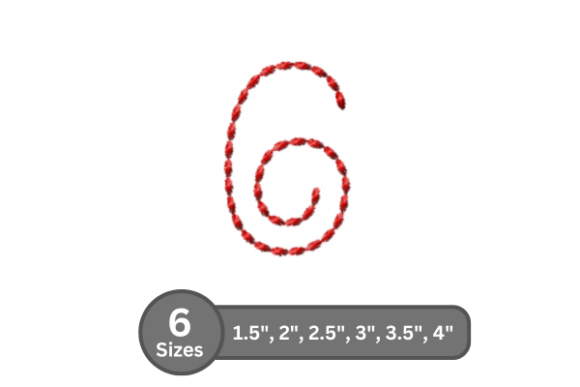
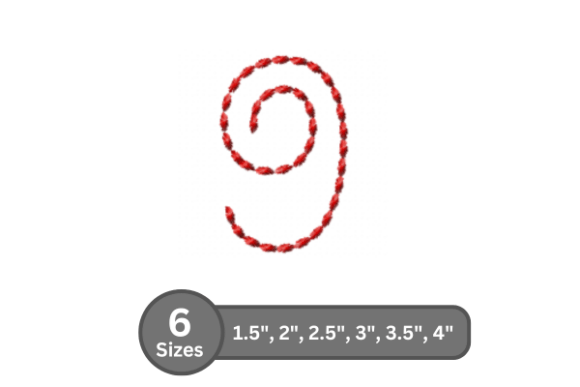
As an embroidery designer who regularly digitizes and tests fonts for commercial applications, my first impression of Soft Cord Number -9 is that it strikes a difficult balance between approachability and professionalism. The description highlights this as a fill stitch embroidery font carefully digitized for smooth stitching, and visually, it delivers on that promise. Unlike harsh block numbers that can feel industrial or overly rigid script fonts that risk illegibility at small sizes, this design offers a soft, rounded aesthetic. It feels handmade yet refined, making it an excellent candidate for businesses that want to convey warmth without sacrificing brand authority.
For small business owners and apparel decorators, the visual personality of a number matters more than you might think. When creating small business merch or branded assets, typography sets the tone. Soft Cord Number -9 reads as friendly and artisanal, which aligns perfectly with boutiques, bakeries, florists, and creative studios. However, because it utilizes a fill stitch construction rather than a simple running stitch outline, it carries enough visual weight to stand out on heavier fabrics like canvas tote bags or denim aprons. This versatility is crucial when building a cohesive brand identity across different product types.
Performance in Real-World Commercial Embroidery
When evaluating a machine embroidery design for production, I look beyond the screen preview to how the embroidery file behaves under the needle. The claim that Soft Cord Number -9 is digitized for smooth stitching suggests optimized pathing, which is vital for reducing trim jumps and maintaining registration in high-volume runs. In a real-world scenario, such as outfitting staff at a local café, consistency is key. You need the number "9" on a barista’s apron to match the number "9" on a delivery driver’s cap exactly.
This font performs exceptionally well in specific commercial contexts:
- Apron Embroidery: The fill stitch provides enough coverage to be visible against textured cotton or linen aprons often used in hospitality. The soft edges prevent the design from looking too stark against organic fabrics.
- Tote Bag Design: For retail merchandise, customers expect a premium feel. A poorly digitized number can pucker heavy canvas, but the smooth stitching architecture of Soft Cord Number -9 helps maintain fabric integrity, resulting in a higher perceived value for the finished product.
- Custom Apparel & Uniforms: Whether placed on a chest pocket or a sleeve, the legible yet stylized form ensures that employee identification remains clear while reinforcing the company’s aesthetic.
- Etsy Branding & Packaging: Beyond garments, this font works beautifully for embroidered tags on handmade products. Its distinct style adds a recognizable signature element to packaging accents or customer gifts.
Furthermore, for shops producing embroidered patches, this number scales reasonably well. While extremely tiny patches require specialized micro-fonts, Soft Cord Number -9 holds its shape in standard patch sizes (2 inches and above), allowing for clean borders and readable numerals that don't blur into a thread blob.
Critical Considerations for Production and Fabric
No digital embroidery file is universally perfect, and as a professional, I must highlight where caution is required. Because Soft Cord Number -9 is a fill stitch font, it inherently possesses higher stitch density than outline fonts. This characteristic demands careful attention to stabilization and fabric selection.
When working with cap embroidery, the curved surface presents challenges for any fill stitch. Before committing to a bulk run of baseball caps, verify that the design does not distort along the center seam. The soft cord style may require slight manual adjustment or specialized cap backing to ensure the curves remain smooth on a structured front panel. Similarly, on highly textured fabrics like terry cloth towels or fleece, the fill stitches can get lost. In these cases, using a water-soluble topping is non-negotiable to keep the stitches sitting on top of the pile rather than sinking in.
I also advise testing this design on dark uniforms before finalizing thread colors. Fill stitches reflect light differently than satin columns. A white thread on a navy polo might look brilliant on screen but could appear gray or thin in person if the density isn't sufficient to block the fabric color completely. Always run a sew-out on the actual garment material, not just a scrap of stabilizer, to assess contrast and coverage accurately.
Strengthening Brand Value Through Typography
Typography in embroidery is a direct extension of customer trust. Sloppy stitching, gapping fills, or illegible numbers signal low quality, which reflects poorly on the entire business. By choosing a professionally digitized asset like Soft Cord Number -9, you are investing in visual consistency. When a customer sees a crisp, well-executed number on a product label or staff uniform, it subconsciously reinforces the idea that the business pays attention to detail.
For Etsy sellers and makers, this font bridges the gap between DIY charm and professional retail standards. It elevates design assets from basic personalization to branded merchandise. Whether you are numbering limited edition art prints via embroidery or creating tiered pricing tags for a market stall, the cohesive look of this font family helps build recognition. Customers begin to associate that specific soft, corded numeral style with your shop, turning functional numbering into a subtle marketing tool.
Essential Designer Notes for Implementation
To maximize the potential of Soft Cord Number -9 in your workflow, follow these practical steps before starting production:
- Verify Licensing: Always confirm the commercial licensing terms included with your purchase. Ensure you have the rights to use this embroidery file on items intended for resale or paid client work.
- Create a Printable Mockup: Before hooping expensive merchandise, generate a printable mockup or digital visualization to show clients. This manages expectations regarding size and placement, especially since fill stitches look different rendered versus stitched.
- Test Stitch Density: Run a test sew-out in black and white thread first. Inspect the back of the sample; excessive bobbin thread showing on top indicates tension issues or density problems specific to your machine-fabric combination.
- Check Hoop Size Compatibility: Confirm the physical dimensions of the number fit comfortably within your smallest intended hoop with adequate margin for the presser foot. Never push the limits of the hoop boundary with fill stitches, as frame shifts can ruin the registration.
- Stabilizer Selection: Match your stabilizer to the fabric weight. Use cutaway for stretchy knits and tear-away only for stable wovens. For the soft cord effect to render correctly, the foundation must be rock solid during stitching.
- Compare Beside Other Assets: If mixing this number with other fonts or logos, stitch them side-by-side. Ensure the stitch texture and sheen of Soft Cord Number -9 harmonize with your existing commercial embroidery library to avoid a disjointed appearance.
By treating Soft Cord Number -9 as a professional tool rather than just a decorative element, small businesses can achieve merchandise that looks intentional, durable, and distinctly branded. The success of any custom apparel project lies in respecting the technical requirements of the design while leveraging its unique aesthetic strengths to tell a better brand story.